
Have Questions? Talk to Expert (Binod)
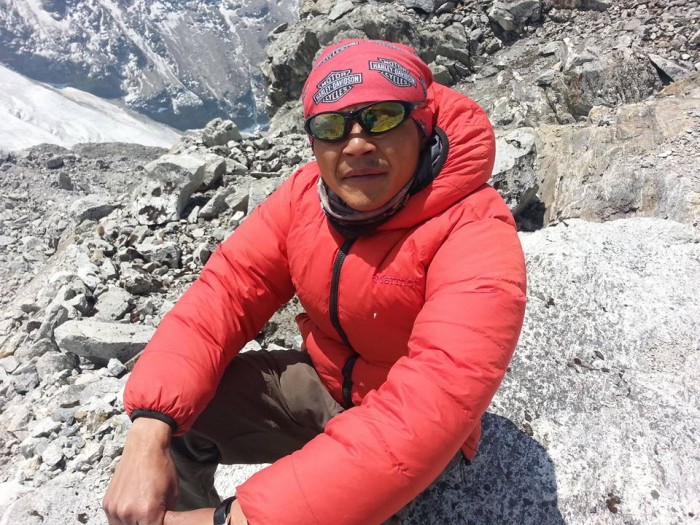
There are treks, and then there are life-changing Himalayan expeditions that redefine the way you see mountains, nature, culture, and yourself. The Everest Three Passes Trek is not just a trekking holiday — it is the complete Everest adventure, a legendary journey across the high Himalayan wilderness that combines the famous Everest Base Camp route with three spectacular mountain passes: Kongma La Pass, Cho La Pass, and Renjo La Pass.
With Himalayamayan Adventure Intl Treks, your dream Himalayan expedition becomes a professionally organized, safe, authentic, and unforgettable experience. Whether you choose the thrilling scenic flight to Lukla or the adventurous jeep drive to Surke, we provide complete arrangements for every part of your trek.
This is the trek for true mountain lovers — a complete circuit through the Everest region featuring giant glaciers, turquoise alpine lakes, Sherpa villages, Buddhist monasteries, panoramic viewpoints, hidden valleys, and some of the most dramatic mountain scenery on Earth.
If you are searching for the most rewarding trekking experience in Nepal, your journey begins here.
The Everest Three Passes Trek is considered one of the greatest trekking adventures in the world because it combines:
Unlike the regular Everest Base Camp trek, the Three Passes route offers a complete Himalayan circuit that takes trekkers through remote landscapes and hidden corners of the Khumbu region rarely experienced by ordinary visitors.
You will witness:
Every day on the trail offers a new landscape, a new challenge, and a new unforgettable moment.
Experience one of the world’s most exciting mountain flights from Kathmandu or Ramechhap to Lukla Airport.
The Lukla flight is famous worldwide for its breathtaking scenery and thrilling mountain landing. Within less than an hour, you will leave city life behind and arrive directly in the heart of the Himalayas.
For trekkers who prefer avoiding flights or want a more adventurous overland journey, we offer the increasingly popular jeep drive to Surke.
The jeep drive takes you through beautiful hills, rivers, villages, forests, and mountain landscapes before reaching Surke, near Lukla. From there, the trekking journey begins naturally on foot.
This option is becoming highly popular among modern trekkers seeking flexibility and reliability during peak trekking seasons.
At Himalayamayan Adventure Intl Treks, we believe true adventure should come with professional organization, local expertise, and personalized care. We arrange everything necessary for a successful Everest Three Passes Trek.
Our team welcomes you upon arrival in Kathmandu and provides all transportation support.
Comfortable tourist-standard hotel before and after your trek.
Choose your preferred route:
We arrange all required permits:
Experienced, licensed, English-speaking mountain guides with extensive Everest region knowledge.
Strong and reliable local porters to carry your heavy trekking gear.
Comfortable mountain lodges during the trek.
Nutritious breakfasts, lunches, and dinners throughout the trekking route.
Detailed orientation before departure.
Extra acclimatization and contingency planning if required.
Namche Bazaar is the vibrant heart of the Khumbu region. Surrounded by mountains and colorful lodges, this legendary Sherpa town offers:
It is also an important acclimatization stop where trekkers prepare for higher altitudes.
The spiritual center of the Everest region, Tengboche Monastery sits beneath the magnificent Ama Dablam peak. Prayer flags flutter in the wind while monks chant ancient Buddhist prayers.
The peaceful spiritual atmosphere creates one of the most memorable moments of the trek.
Standing at Everest Base Camp is a dream achievement for trekkers around the world. Here you will stand beside the Khumbu Glacier surrounded by the world’s tallest mountains.
You will walk in the footsteps of legendary climbers who attempted Mount Everest.
Kala Patthar provides the best close-up view of Mount Everest. The sunrise and sunset panoramas from here are beyond imagination.
From this famous viewpoint you can witness:
A moment you will remember forever.
The highest of the three passes, Kongma La is wild, dramatic, and breathtaking.
This challenging section rewards trekkers with:
Crossing Kongma La is a proud accomplishment for serious trekkers.
Cho La is famous for its icy glacier crossing and rugged mountain terrain.
This pass connects Everest Base Camp with the beautiful Gokyo Valley.
Trekkers love Cho La for:
Renjo La offers perhaps the finest panoramic viewpoint in the Everest region.
From the summit you can see:
Many trekkers describe Renjo La as the most beautiful section of the entire journey.
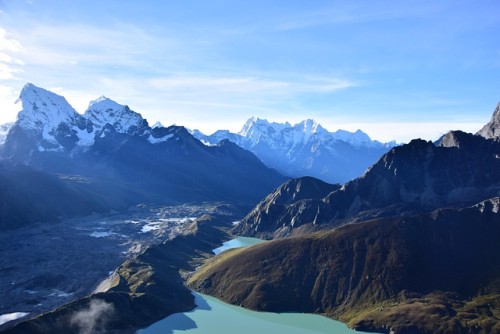
The sacred turquoise lakes of Gokyo are among the hidden treasures of Nepal.
These shimmering glacial lakes surrounded by snow peaks create a magical Himalayan landscape unlike anywhere else in the world.
The climb to Gokyo Ri rewards trekkers with one of the greatest mountain views on Earth.
From the summit, four of the world’s 8,000-meter peaks are visible:
The sunrise over the Himalayas from Gokyo Ri is simply unforgettable.
We are a Nepal-based trekking company with deep knowledge of the Everest region, Sherpa culture, and mountain safety.
Our experienced team understands every detail required for successful high-altitude trekking.
We focus on small groups and personalized experiences instead of crowded commercial tours.
Every trekker receives:
Your safety is always our highest priority.
Our guides are trained in:
We carefully monitor acclimatization throughout the trek.
We believe trekking should be more than just walking. We help you experience:
We support:
By trekking with us, you help support families living in the Everest region.
Every day during the Everest Three Passes Trek offers a completely new experience.
Wake up to snow-covered mountains glowing in golden sunrise light.
Walk through:
Relax in cozy teahouses while enjoying tea beside warm dining rooms.
Watch stars illuminate the Himalayan sky while sharing stories with fellow trekkers.
The Everest region creates memories that last a lifetime.
You will stay in traditional mountain teahouses managed by local families.
Facilities generally include:
Higher altitude accommodations become simpler but remain welcoming and authentic.
Good nutrition is essential during high-altitude trekking.
Meals available include:
Our guides help ensure trekkers eat properly for strength and acclimatization.
One of the best times for trekking.
The most popular trekking season.
Possible for experienced trekkers seeking quieter trails and snowy landscapes.
The Everest Three Passes Trek is considered a challenging trek suitable for:
Over 5,500 meters.
Usually 17–21 days depending on itinerary.
5–8 hours average.
Proper acclimatization and professional guidance are essential for success.
Before joining the trek, we recommend:
Good preparation makes the experience more enjoyable and comfortable.
We provide detailed packing lists before your trek.
Essential items include:
If needed, trekking equipment can also be rented or purchased in Kathmandu.
The Everest Three Passes Trek is paradise for photographers.
Capture:
Every corner of the trail offers breathtaking scenery.
The Khumbu region is home to the famous Sherpa people, known worldwide for their mountaineering skills and warm hospitality.
You will experience:
This cultural connection makes the trek even more meaningful.
Himalayamayan Adventure Intl Treks promotes responsible trekking practices.
We encourage:
We believe the Himalayas should be preserved for future generations.
We can customize your Everest Three Passes Trek according to:
Additional options include:
Affordable and social trekking experience with international travelers.
Personalized schedule and exclusive guide support for couples, friends, families, or solo trekkers.
Many solo trekkers join us every year for the Everest Three Passes Trek.
Our organized service ensures:
High-altitude trekking requires proper monitoring.
Our guides:
Your health and safety always come first.
In recent years, many trekkers prefer the jeep drive option due to:
The drive offers a unique overland Himalayan experience before the trekking begins.
It also allows travelers to experience authentic rural Nepal rarely seen by regular tourists.
This adventure is not simply about reaching destinations.
It is about:
The Himalayas challenge you, inspire you, and reward you in ways impossible to describe.
Unlike many trekking routes around the world, the Everest Three Passes Trek combines:
Few treks on Earth offer such diversity and excitement in a single journey.
Imagine yourself:
This is not a dream.
This is the Everest Three Passes Trek with Himalayamayan Adventure Intl Treks.
Whether you choose:
Himalayamayan Adventure Intl Treks is ready to organize your complete Himalayan journey with professionalism, safety, and authentic local expertise.
We welcome:
Our experienced mountain team is committed to making your Everest dream a reality.
Challenge yourself.
Explore deeper.
Go beyond Everest Base Camp.
Discover the complete Everest region.
Join Himalayamayan Adventure Intl Treks for the unforgettable Everest Three Passes Trek and create memories that will remain with you forever.
Welcome to Nepal, the land of the Himalayas! Upon arrival at Tribhuvan International Airport in Kathmandu, you will be warmly greeted by our team. We'll ensure a smooth transition to your hotel where you can relax and prepare for the adventure ahead.
Embark on an exhilarating domestic flight to Lukla, a gateway to the Everest region. From Lukla, begin your trek to Phagding, a scenic village along the Dudh Koshi River. Enjoy approximately 3 hours of trekking through lush forests and picturesque landscapes before settling into your cozy lodge.
Prepare for an enchanting journey as you trek to Namche Bazaar, the vibrant heart of the Khumbu region. Marvel at the majestic Himalayan vistas as you trek for about 6-7 hours. Upon arrival, immerse yourself in the unique culture and warmth of this bustling mountain town, where you'll spend the night in comfort.
Take a well-deserved break to acclimatize to the altitude and explore the charm of Namche Bazaar. Wander through narrow alleyways adorned with colorful prayer flags, visit local markets, or hike to nearby viewpoints for stunning panoramas of the surrounding peaks.
Indulge in the serene beauty of Tengboche as you trek through rhododendron forests and quaint Sherpa villages. Enjoy approximately 6 hours of trekking each day, soaking in the tranquil ambiance of this spiritual hub nestled amidst towering peaks.
Traverse through awe-inspiring landscapes as you make your way to Dingboche, a picturesque village surrounded by majestic mountains. After a 6-7 hour trek, unwind in your comfortable lodge and relish the breathtaking views that surround you.
Allow your body to acclimatize to the altitude while savoring the panoramic vistas of the Himalayas from Dingboche. Opt for a short hike to nearby viewpoints or simply relax and soak in the tranquility of this high-altitude sanctuary.
Embark on a shorter trek of approximately 3 hours to Chhukung, a picturesque village nestled beneath towering peaks. Spend the night in a cozy lodge, surrounded by the awe-inspiring beauty of the Himalayas.
Embark on an exhilarating adventure as you conquer the challenging Kongma La Pass, offering unparalleled views of the surrounding peaks. Continue your journey to Lobuche, where you'll rest and rejuvenate after a thrilling day of trekking.
Reach the legendary Everest Base Camp, a dream destination for adventurers worldwide. Trek through the rocky terrain to Gorak Shep before making your way to the iconic base camp of the world's highest peak. Spend the night in Gorak Shep, surrounded by towering Himalayan giants.
Catch the awe-inspiring sunrise from Kala Patthar, offering unrivaled views of Mount Everest and its neighboring peaks. Afterward, trek to Dzongla, situated amidst stunning alpine landscapes, where you'll spend the night.
Embark on an adventurous journey as you conquer the challenging Cho La Pass, surrounded by towering peaks and glaciers. Descend to the tranquil surroundings of Gokyo, a serene lakeside village nestled in the heart of the Himalayas.
Embark on a rejuvenating hike to Gokyo Ri, offering panoramic views of the Himalayan giants, including Everest, Lhotse, and Cho Oyu. Spend the rest of the day exploring the pristine lakeshores or simply relaxing amidst the serene beauty of Gokyo.
Trek through rugged terrain to Lungden, a remote village offering a peaceful retreat amidst the Himalayan wilderness. Immerse yourself in the tranquility of the surrounding landscapes as you unwind in your lodge.
Traverse the stunning Renjo La Pass, offering breathtaking views of the surrounding peaks and valleys. Descend to the charming village of Thame, where you'll immerse yourself in the rich Sherpa culture and hospitality.
Descend to Namche Bazaar, retracing your steps through picturesque landscapes and quaint mountain villages. Enjoy the sights and sounds of the Himalayan landscape as you make your way back to this vibrant mountain town.
Conclude your trek with a scenic journey back to Lukla, filled with fond memories of your Himalayan adventure. Spend approximately 7 hours trekking through pristine forests and charming villages before reaching Lukla.
Bid farewell to the majestic Himalayas as you board a scenic flight back to Kathmandu. Reflect on the unforgettable experiences and cherished memories of your Everest Base Camp trek.
Your memorable Himalayan adventure comes to an end as you depart from Kathmandu. Carry with you the indelible memories and newfound friendships forged amidst the awe-inspiring landscapes of the Everest region. Until we meet again for your next Himalayan adventure!
Airport Pick-up and Drop-off: Start and end your adventure with ease with our complimentary airport transfers.
Flight Fare Kathmandu/Lukla/Kathmandu: Your airfare, including that of your guide, is covered for a seamless transition to and from the trekking region.
Airport Taxes: All necessary taxes are taken care of, so you can focus on enjoying your trek.
Meals: Indulge in three delicious meals a day during the trek, complete with a comforting cup of tea or coffee with each meal.
Accommodation: Rest easy in recommended guesthouses or lodges along the trekking route.
Hotel Stay in Kathmandu: Enjoy three nights of comfortable accommodation in Kathmandu with breakfast included.
English-speaking Guide: Benefit from the expertise of our knowledgeable English-speaking guides throughout your trek.
Porter Service: Each guest is provided with a porter to carry luggage, ensuring a lighter load for your trekking adventure.
Government and Local Taxes: All necessary taxes are included, leaving you free of any unexpected expenses.
Sagarmatha National Park Fees: Entrance fees to the renowned Sagarmatha National Park are covered.
TIMS (Trekker’s Information Management System): Necessary permits for your trek are taken care of for your convenience.
General Equipment for Porter: Our porters are equipped with the necessary gear for a safe and comfortable journey.
Guide and Porter Benefits: Fair wages and insurance coverage are provided for our dedicated guides and porters.
Additional Services: Tailor your experience with optional extras to suit your preferences.
Trekking Equipment: Personal gear such as trekking boots and clothing are not provided.
Personal Expenses: Alcoholic beverages, phone usage, and laundry services are at the guest's expense.
Emergency Rescue and Travel Insurance: We recommend obtaining comprehensive insurance coverage for peace of mind.
Hot Showers: Additional charges may apply for hot shower facilities along the trekking route.
Entrance Fees: Any fees for visiting monasteries, temples, or other attractions are not included.
Tips: Gratuities for guides and porters are at the discretion of guests and are not included in the package price.
The Everest Three Passes Trek is a challenging high-altitude trek in the Everest region that includes crossing three high passes: Renjo La (5,360m), Cho La (5,420m), and Kongma La (5,535m).
The trek typically lasts around 18 to 22 days, depending on the pace and acclimatization needs of the trekkers.
The ideal times are pre-monsoon (March to May) and post-monsoon (September to November) when the weather is stable and the views are clear.
It is a strenuous trek suitable for experienced trekkers due to its high altitude and challenging passes.
Highlights include stunning views of Everest, Lhotse, Makalu, and Cho Oyu, along with cultural experiences in Sherpa villages and visits to iconic sites like Everest Base Camp.
Yes, you need the Sagarmatha National Park entry permit, TIMS (Trekkers’ Information Management System) card, and potentially other permits depending on the exact route.
While it is technically possible, it is recommended to go with a guide or a trekking agency due to the complexity and altitude of the trek.
Accommodation is primarily in teahouses or lodges along the route, though some higher-altitude areas may require staying in more basic facilities.
Physical preparation is essential. Engage in regular cardiovascular and strength training exercises, and practice hiking with a loaded backpack.
Essential items include trekking boots, warm clothing, a sleeping bag, trekking poles, sun protection, a first aid kit, and water purification tablets.
The highest pass, Kongma La, is at 5,535 meters (18,159 feet).
Everest Base Camp is situated at an altitude of approximately 5,364 meters (17,598 feet).
Yes, altitude sickness is a risk. Proper acclimatization and ascending gradually are crucial to minimize the risk.
Ascend slowly, stay hydrated, and consider taking altitude sickness medications. Acclimatization days are also important.
Namche Bazaar offers a range of accommodations from basic teahouses to more comfortable lodges with amenities like hot showers and Wi-Fi.
Basic medical facilities are available in Namche Bazaar and Dingboche. For serious conditions, evacuation to Kathmandu may be necessary.
Yes, trekking with a guide is highly recommended for safety, navigation, and cultural insights.
Teahouses typically serve a variety of Nepali and Western dishes, including dal Bhat (rice and lentil soup), noodles, and soups.
High altitude, weather conditions, and physical exertion are key safety concerns. Proper acclimatization and following safety guidelines are essential.
Costs vary based on factors like the trekking agency, duration, and included services. On average, it ranges from $1,600 to $2,000.
Required permits include the Sagarmatha National Park entry permit and TIMS card. Additional permits may be needed for certain areas.
Mobile phone coverage is available in most areas, with Wi-Fi and satellite phones available in larger teahouses.
There are no specific age restrictions, but trekkers should be in good health and physically fit.
Trekkers should be in excellent physical condition, with endurance and strength to handle long days of hiking at high altitudes.
Yes, hiring porters is common to carry personal belongings, which can ease the load and make the trek more enjoyable.
Yes, adjustments can be made depending on your preferences and acclimatization needs.
The trek typically begins with a flight from Kathmandu to Lukla, followed by a trek to the starting point.
In emergencies, contact your guide, trek leader, or local authorities. Be prepared for evacuation procedures if necessary.
The views from each pass are spectacular, offering panoramic vistas of the surrounding Himalayan peaks.
Internet access is available in most major villages, though it may be slow and expensive.
Daily trekking hours typically range from 5 to 8 hours, depending on the day's route and terrain.
Drink plenty of boiled or treated water and avoid consuming untreated water from natural sources.
Wildlife encounters can include Himalayan tahr, musk deer, and various bird species.
Charging facilities are available in most teahouses for a small fee.
It is advisable to have comprehensive travel insurance that covers trekking at high altitudes and emergency evacuation.
Yes, you can experience Sherpa culture, visit monasteries, and observe traditional practices in local villages.
Weather varies; expect cold temperatures, especially at higher altitudes, with potential snowfall and strong winds.
Accommodations at higher altitudes are basic, with limited facilities. Expect simple beds and minimal amenities.
Dress in layers use thermal wear, and ensure you have a good quality sleeping bag suitable for cold conditions.
Yes, Kathmandu has numerous shops where you can buy or rent trekking gear and equipment.
The risk is significant due to the high altitude; proper acclimatization and following health guidelines can help mitigate it.
The trek has environmental impacts; follow eco-friendly practices and respect local conservation efforts to minimize your footprint.
Solo trekking is possible but not recommended due to safety concerns. A guided trek is safer and more enjoyable.
Use designated waste disposal facilities and carry out all non-biodegradable waste to protect the environment.
Hiring a local guide typically costs between $25 to $40 per day, depending on experience and services.
The trek involves long distances, steep ascents and descents, and high-altitude passes, requiring physical stamina and endurance.
Prior trekking experience is highly recommended due to the trek’s demanding nature and high altitude.
Meals are typically basic and nutritious, including rice, vegetables, noodles, and some international options.
Mental preparation involves understanding the challenges, setting realistic expectations, and staying positive throughout the trek.
Porters carry your trekking gear and personal belongings, helping to ease your load and support your trek.
Research agencies, read reviews, check their safety record, and ensure they offer the services and support you need.
Sturdy, well-fitted trekking boots with ankle support and good grip are essential for tackling diverse terrain.
Wear appropriate clothing, cover exposed skin, and protect extremities with gloves, hats, and warm footwear.
Respect local customs, ask permission before taking photos, and be mindful of religious sites and practices.
Inform your guide, rest, stay hydrated, and seek medical attention if symptoms persist or worsen.
Yes, local shops and villages offer a range of souvenirs, including traditional crafts and clothing.
Follow your guide’s instructions, cross passes early in the day to avoid weather changes, and stay alert to conditions.
Adhere to the Leave No Trace principles, dispose of waste properly, and support local conservation efforts.
Carry appropriate clothing for varying weather conditions and check forecasts regularly to adjust plans as needed.
Ensure you have evacuation insurance, follow your guide’s instructions, and be prepared for possible helicopter evacuation if needed.
Most teahouses provide meals, so personal cooking gear is not typically necessary. Check with your agency for specific needs.
It’s a classic high-altitude trek that offers a comprehensive experience of the Everest region’s stunning landscapes and culture.
No special permits are generally required for photography but respect local guidelines and avoid photographing sensitive sites.
Take regular breaks, maintain a steady pace, and listen to your body’s needs to prevent overexertion.
Medical facilities are limited in remote areas; serious conditions may require evacuation to Kathmandu or other major cities.
Use a high-quality sleeping bag rated for cold temperatures, wear thermal layers, and ensure your tent is well-insulated.
Expect cold temperatures, strong winds, and potential snowfall, particularly at higher altitudes.
Consult your doctor before trekking. Ensure you are fit for high-altitude trekking and carry the necessary medications.
Trek at a slower pace, take frequent breaks and allow time for acclimatization to adapt to high-altitude conditions.
Check weather conditions, use proper gear, follow guide instructions, and cross passes early to avoid adverse weather.
Use slow, deep breaths, acclimatize properly, and seek medical advice if breathing problems persist.
Learn about Sherpa traditions, such as respecting religious sites and local ceremonies, and practicing polite interactions with locals.
Drink water regularly, avoid excessive caffeine or alcohol, and use water purification methods to ensure safe hydration.
Inform your trekking agency in advance to accommodate dietary needs, such as vegetarian, vegan, or gluten-free diets.
Maintain good hygiene, stay hydrated, eat nutritious meals, and follow safety guidelines to stay healthy.
While not necessary, you can bring a tent if you prefer. Most trekkers use teahouse accommodations.
Dress in layers, use insulated clothing and ensure your sleeping gear is suitable for cold conditions.
Experience Sherpa culture, visit monasteries, and engage with local communities along the trekking route.
Plan your itinerary with buffer days, monitor weather conditions, and ensure transportation arrangements are confirmed.
A trek leader manages the group, ensures safety, provides information, and coordinates logistics throughout the trek.
Children can trek, but it’s important to ensure they are physically fit and prepared for high-altitude trekking challenges.
Notify your guide immediately, rest, and seek medical attention if necessary. Follow the prescribed treatment and recovery advice.
Choose an agency with a good reputation, experienced guides, and positive reviews from previous trekkers.
Early return options include arranging transportation back to Kathmandu or opting for shorter trek routes.
Focus on the rewarding views, take breaks, and remind yourself of the trek’s overall goal and achievements.
Common issues include altitude sickness, dehydration, cold-related illnesses, and fatigue.
Carry out all non-biodegradable waste, use designated waste disposal facilities, and follow leave-no-trace principles.
Contact your guide or trekking agency for assistance in locating lost items and consider taking preventative measures.
Yes, there are opportunities for side trips such as visiting nearby viewpoints or monasteries.
Maintain a steady pace, stay hydrated, and listen to your body to manage physical strain effectively.
Ascend slowly, take rest days, stay hydrated, and use altitude sickness medication if prescribed.
Be aware of symptoms, have emergency contacts, and understand evacuation procedures.
Include items such as basic medications, bandages, antiseptic wipes, and altitude sickness medication.
Check forecasts regularly, communicate with your guide, and be prepared for sudden weather changes.
It is advisable to obtain permits through a trekking agency before arrival to streamline the process.
Show respect, ask for permission before taking photos, and support local businesses and conservation efforts.
Plan, choose a reputable agency, prepare physically and mentally, and follow safety guidelines.
Follow vaccination recommendations, carry personal medications, and adhere to hygiene practices.
Rest days are typically scheduled in key locations like Namche Bazaar or Dingboche to aid acclimatization.
English-speaking guides are common; if language barriers arise, use basic phrases, gestures, or a translator app.
The Everest Three Passes Trek is Nepal’s most thrilling and comprehensive Everest adventure. Crossing the three legendary high passes — Kongma La (5,535m), Cho La (5,420m), and Renjo La (5,360m) — this 18–21 day circuit offers a complete journey through the Khumbu region, including Everest Base Camp, Gokyo Lakes, Kala Patthar, and Sherpa villages.
If you're planning this trek in 2026 or 2027, understanding the full cost breakdown is essential. In this detailed guide by Himalayan Adventure Intl Treks, we explain:
Total Everest Three Passes Trek cost in 2026
Budget vs premium packages
Detailed expense breakdown
Seasonal price variations
What's included and excluded
Independent vs guided trek comparison
Hidden costs and emergency budgeting tips
For 2026, the estimated cost per person ranges between:
$2,200 – $4,500 for standard to premium international packages
$1,295 – $1,800 with reputable local Nepal agencies
$800 – $1,200 for independent (unguided) trekkers
$3,500 – $4,500 for luxury or private customized trips
At Himalayan Adventure Intl Treks, our guided 18–20 day packages typically range from $1,350 – $1,750 per person, depending on group size and season.
The final price depends on:
Group size
Trekking season
Service level
Flight options
Guide and porter requirements
Accommodation standard
Below is a realistic 2026 cost estimate for a standard 18–21 day itinerary.
All trekkers entering the Everest region must obtain:
Sagarmatha National Park Entry Permit – $30
Khumbu Pasang Lhamu Rural Municipality Permit – $20
These are compulsory whether trekking independently or with a guide.
Flights to Lukla remain the fastest way to begin the trek.
One-way fare: $180–$220
Round-trip: $360–$440
During peak seasons (March–May and October–November), flights may operate from Ramechhap instead of Kathmandu, which can increase transport costs and travel time.
Alternative option:
Jeep to Phaplu or Jiri + trek (cheaper but adds 2–4 days)
Teahouses are basic but comfortable.
Budget teahouse: $5–$10 per night
Standard lodge: $10–$15
Premium lodge: $25–$40+
Rooms are simple twin-sharing with shared bathrooms at lower elevations. Above 4,000m, facilities become more basic.
Daily food expenses increase with altitude.
Typical meal costs:
Dal Bhat: $6–$10
Pasta or noodles: $7–$12
Breakfast set: $5–$8
Tea/Coffee: $2–$5
Average daily food cost: $20–$35
Over 18–20 days: $400–$700
Filtered water is recommended. Bottled water gets expensive above 4,000m.
For a technical route like the Three Passes, a licensed guide is strongly recommended.
Cost: $25–$35 per day
Includes salary, insurance, and accommodation
Guides provide:
Route navigation
Weather judgment
Safety monitoring
Cultural insight
One porter can carry up to 30kg (shared between 2 trekkers).
Benefits:
Reduced physical strain
Better acclimatization
Faster recovery
Insurance must cover:
High-altitude trekking up to 6,000m
Emergency helicopter evacuation
This is compulsory for safety.
Even well-planned trekkers often overlook additional expenses.
Tipping is expected in Nepal.
Recommended:
Guide: $10–$15 per day
Porter: $5–$8 per day
Hot shower: $3–$8
WiFi: $5–$10 per day
Charging devices: $2–$5 per device
Available in Kathmandu:
Down jacket
Sleeping bag
Trekking poles
Crampons (sometimes needed for Cho La)
Weather delays in Lukla are common. Extra nights, flight rescheduling, or emergency helicopter evacuation can increase expenses.
Includes:
Permits
Lukla flights
Accommodation
3 meals daily
Guide and porter
Airport transfers
Best value option.
Often includes:
International leadership
Higher overhead costs
Luxury upgrades
Excludes:
Guide
Porter
Insurance
Flights (sometimes separate)
Not recommended for first-time high-altitude trekkers due to technical passes.
20–30% higher service costs
Higher flight demand
Crowded trails
Best weather and mountain views.
Lower pricing
Harsh winter cold
Monsoon rain and flight delays
More challenging but quieter.
Larger groups (5–10 trekkers) benefit from:
Shared guide and porter costs
Discounted package rates
Better negotiation leverage
Small groups or solo trekkers pay slightly higher per-person rates.
Teahouse accommodation
3 meals per day
Licensed guide
Porter
Lukla round-trip flight
Permits
Nepal visa ($50 for 30 days)
Travel insurance
Alcohol & soft drinks
WiFi & hot showers
Charging fees
Personal trekking gear
Tipping
| Option | Cost | Time | Difficulty |
|---|---|---|---|
| Fly to Lukla | $360–$440 | 30 min | Easy |
| Jeep to Phaplu | ~$150 | 8–10 hrs | Adds 2 days |
| Trek from Jiri | Cheaper | Adds 4 days | Longer route |
Flying is convenient but weather-dependent.
Absolutely.
Compared to the standard Everest Base Camp Trek, the Three Passes route offers:
360° Himalayan panoramas
Fewer crowds
Gokyo Lakes
Multiple high passes
More adventure
It is physically demanding but immensely rewarding.
| Category | Approx Cost |
|---|---|
| Permits | $45–$60 |
| Flights | $360–$440 |
| Food | $400–$700 |
| Accommodation | $150–$250 |
| Guide | $450–$600 |
| Porter | $350–$500 |
| Insurance | $50–$150 |
| Extras & Tips | $300–$500 |
Estimated Total: $2,200 – $3,000 (standard comfort level)
Luxury upgrades may increase total to $4,500+.
We provide:
Experienced licensed guides
Fair porter wages
Transparent pricing
Custom itineraries
24/7 support
Small group focus
Our 2026 Everest Three Passes Trek packages start from $1,350 per person (group size dependent).
The Everest Three Passes Trek is one of Nepal’s most challenging and rewarding high-altitude adventures. While costs vary based on service level and season, budgeting between $2,200 and $4,500 ensures a safe and well-supported experience.
Careful planning, realistic budgeting, and choosing a reputable local operator like Himalayan Adventure Intl Treks ensures:
Better value
Safer trekking
Authentic Himalayan experience
If you're planning your 2026 or 2027 trek, contact us for a detailed itinerary and customized cost breakdown.
Your Himalayan adventure begins here.
Nikolai С
1st Oct, 2017
Our guide was incredibly knowledgeable about the mountains, local culture, and trekking conditions. He always ensured our safety, monitored our acclimatization carefully, and shared fascinating stories about the Sherpa lifestyle. The support staff were equally impressive—kind, hardworking, and always ready with a smile. What stood out most was the personal attention we received throughout the journey. Himalayan Adventure Intl Treks handled everything smoothly, from permits and accommoda... See moretions to meals and logistics, allowing us to fully immerse ourselves in the adventure. Standing at the high passes and gazing at Everest, Lhotse, and Makalu was a once-in-a-lifetime experience. I highly recommend Himalayan Adventure Intl Treks to anyone seeking a safe, well-organized, and truly inspiring Himalayan trekking adventure.See less...

Nikolay Sagaidakovsky
3rd Mar, 2026
The Everest Three Passes Trek with a jeep ride to Lukla in 2026 was a life-changing adventure, and Himalayan Adventure Intl Treks made every moment seamless and unforgettable. From the very beginning, their team showcased exceptional professionalism, knowledge, and genuine care for every trekker. The journey across the three challenging passes was made not only manageable but exhilarating thanks to their meticulous planning, expert guides, and local insights. Each day brought breathtaking landsc... See moreapes—from the serene valleys to towering glaciers—that felt like walking through a dream. The cultural encounters with local Sherpa communities added depth and warmth to the trek, making it as much about connection as it was about adventure. Their support, attention to detail, and unwavering commitment to safety allowed me to fully immerse myself in the Himalayas without a single worry. I returned home not just with memories of awe-inspiring vistas, but with a profound sense of achievement. For anyone seeking a life-affirming Himalayan journey, I wholeheartedly recommend Himalayan Adventure Intl Treks. They turn dreams into extraordinary realities.See less...